
Uncategorized
Top Tips for Cutting Your Electricity Costs and Saving Money
Aug
Understanding your electricity usage is the first step in making more energy-efficient choices. By knowing how much electricity you use and when you use it, you can identify areas where you can make changes to reduce your consumption. One way to do this is by monitoring your electricity usage with a smart meter or energy monitoring system. These devices can provide real-time data on your electricity usage, allowing you to see which appliances or behaviors are using the most energy. Additionally, you can review your past electricity bills to see how your usage fluctuates throughout the year. This can help you identify patterns and make adjustments to reduce your overall consumption.
Another way to understand your electricity usage is by conducting an energy audit of your home. This involves inspecting your appliances, lighting, and insulation to identify areas where energy is being wasted. You can also use a home energy monitor to track the energy usage of individual appliances and electronics. By understanding how much energy each device uses, you can make informed decisions about which ones to use less frequently or replace with more energy-efficient models. Overall, understanding your electricity usage is crucial for making informed decisions about how to reduce your energy consumption and lower your electricity bills.
Making Energy-Efficient Choices
Once you have a better understanding of your electricity usage, you can start making more energy-efficient choices. One of the easiest ways to do this is by replacing old, inefficient appliances with Energy Star certified models. These appliances are designed to use less energy without sacrificing performance, saving you money on your electricity bills. Additionally, you can switch to LED light bulbs, which use significantly less energy than traditional incandescent bulbs and last much longer. Another energy-efficient choice is to upgrade your home’s insulation and seal any drafts to reduce heating and cooling costs.
In addition to upgrading your appliances and lighting, you can also make small changes to your daily habits to save energy. For example, using cold water for laundry and taking shorter showers can reduce your hot water usage. You can also adjust your thermostat to use less heating and cooling when you’re not at home or while you’re sleeping. Making energy-efficient choices is not only good for the environment, but it can also save you money in the long run.
Unplugging and Turning Off
Unplugging and turning off electronics and appliances when they’re not in use is a simple yet effective way to reduce your electricity usage. Many devices continue to draw power even when they’re turned off, a phenomenon known as “phantom power” or “vampire power.” By unplugging these devices or using power strips with on/off switches, you can eliminate this wasted energy. This includes unplugging phone chargers, computers, televisions, and other electronics when they’re not being used.
Another way to reduce phantom power is by turning off lights and appliances when you leave a room. This includes turning off lights, fans, and electronics when you’re not using them. Additionally, you can set timers or use smart plugs to automatically turn off devices at certain times of day or night. By being mindful of when you’re using electricity and actively turning off devices when they’re not needed, you can significantly reduce your overall electricity usage.
Investing in Smart Technology
Investing in smart technology can help you manage and reduce your electricity usage more effectively. Smart thermostats, for example, can learn your heating and cooling preferences and adjust the temperature accordingly, saving energy when you’re not at home or asleep. Smart plugs and power strips can be programmed to turn off devices at specific times or be controlled remotely from a smartphone. Additionally, smart lighting systems can be set on timers or adjusted based on natural light levels to reduce unnecessary energy usage.
Another smart technology investment is a home energy management system, which can provide real-time data on your electricity usage and offer suggestions for reducing consumption. These systems can also integrate with other smart devices in your home, such as appliances and lighting, to create a more efficient and automated environment. By investing in smart technology, you can take a more proactive approach to managing your electricity usage and reducing waste.
Utilizing Natural Light and Air
Utilizing natural light and air can help reduce your reliance on artificial lighting and heating or cooling systems. Opening curtains and blinds during the day can allow natural light to enter your home, reducing the need for electric lighting. Additionally, using natural ventilation by opening windows and doors can help cool your home in the summer without using air conditioning. In the winter, opening curtains during the day to let sunlight in and closing them at night to retain heat can help reduce heating costs.
Another way to utilize natural light and air is by strategically landscaping around your home to provide shade in the summer and allow sunlight in the winter. Planting trees or installing awnings can help block out direct sunlight during the hottest parts of the day, reducing the need for air conditioning. Similarly, installing ceiling fans or using portable fans can help circulate air throughout your home, reducing the need for air conditioning in the summer.
Maintaining Your Appliances
Regular maintenance of your appliances can help ensure they operate efficiently and use less energy. For example, cleaning or replacing air filters in heating and cooling systems can improve their efficiency and reduce energy consumption. Similarly, cleaning the coils on refrigerators and freezers can help them run more efficiently and use less electricity. Additionally, checking for leaks in faucets and pipes can help conserve water, reducing the energy needed to heat it.
Another important aspect of appliance maintenance is ensuring they are properly calibrated and functioning as intended. For example, having your HVAC system inspected and serviced annually can help identify any issues that may be causing it to use more energy than necessary. Similarly, having your water heater inspected and flushed regularly can help it operate more efficiently. By maintaining your appliances properly, you can ensure they use less energy and last longer.
Considering Alternative Energy Sources
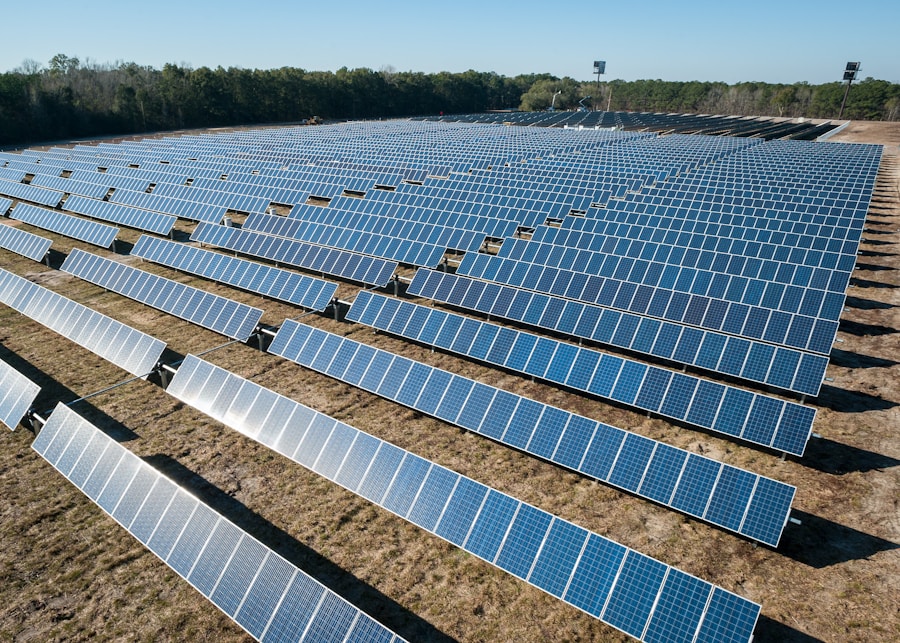
Considering alternative energy sources is another way to reduce your reliance on traditional electricity sources. For example, installing solar panels on your home can generate clean, renewable energy that can offset some or all of your electricity usage. Additionally, wind turbines or small-scale hydroelectric systems may be viable options depending on your location and property.
Another alternative energy source to consider is geothermal heating and cooling systems, which use the stable temperature of the earth to regulate indoor temperatures more efficiently than traditional HVAC systems. These systems can significantly reduce heating and cooling costs over time while also reducing greenhouse gas emissions.
In conclusion, there are many ways to reduce your electricity usage and make more energy-efficient choices in your home. By understanding your electricity usage, making energy-efficient choices, unplugging and turning off devices when they’re not in use, investing in smart technology, utilizing natural light and air, maintaining your appliances, and considering alternative energy sources, you can significantly reduce your environmental impact and save money on your electricity bills. Making these changes may require an initial investment of time or money but will pay off in the long run through lower utility bills and a reduced carbon footprint.