
Uncategorized
The Ultimate Guide to Cutting Your Energy Bills with Green Technology
Aug
Green technology, also known as environmental technology or clean technology, refers to the use of technology and science to create products and processes that are environmentally friendly and sustainable. This includes technologies that reduce the negative impact on the environment, such as renewable energy sources, energy-efficient appliances, and sustainable building materials. Green technology aims to minimize the use of non-renewable resources and reduce pollution and waste. It encompasses a wide range of practices and innovations that are designed to address environmental issues and promote sustainability.
One example of green technology is the use of renewable energy sources such as solar power, wind power, and hydroelectric power. These sources of energy are sustainable and do not deplete natural resources. Another example is the development of energy-efficient appliances that consume less energy and produce fewer greenhouse gas emissions. Green technology also includes the use of smart thermostats and home automation systems to control energy usage and reduce waste. Overall, green technology is about finding innovative solutions to environmental challenges and creating a more sustainable future for our planet.
Energy-Efficient Appliances: Choosing the Best Options for Your Home
When it comes to choosing energy-efficient appliances for your home, there are a variety of options to consider. Energy-efficient appliances are designed to consume less energy and reduce your carbon footprint, ultimately saving you money on your utility bills. When shopping for appliances, look for the Energy Star label, which indicates that the appliance meets strict energy efficiency guidelines set by the Environmental Protection Agency. Some of the most common energy-efficient appliances include refrigerators, dishwashers, washing machines, and water heaters. These appliances are designed to use less water and electricity while still providing the same level of performance.
In addition to choosing Energy Star-rated appliances, consider the size and capacity of the appliance to ensure that it meets your household’s needs without wasting energy. For example, a refrigerator that is too large for your family’s needs will consume more energy than necessary. It’s also important to properly maintain your appliances to ensure they continue to operate efficiently. Regular cleaning and maintenance can help extend the lifespan of your appliances and keep them running at peak performance. By choosing energy-efficient appliances and properly maintaining them, you can reduce your energy consumption and contribute to a more sustainable environment.
Smart Thermostats and Home Automation: Controlling Your Energy Usage
Smart thermostats and home automation systems are innovative technologies that can help you control your energy usage and reduce waste in your home. Smart thermostats allow you to program your heating and cooling systems to operate more efficiently, adjusting the temperature based on your schedule and preferences. Some smart thermostats even have sensors that can detect when you are away from home and adjust the temperature accordingly, saving energy when you don’t need it. Home automation systems can also help you monitor and control your energy usage by allowing you to remotely manage your lights, appliances, and HVAC systems from your smartphone or tablet.
In addition to providing convenience and control, smart thermostats and home automation systems can help you save money on your energy bills. By optimizing your heating and cooling systems and reducing unnecessary energy consumption, you can lower your overall energy costs. These technologies also provide valuable insights into your energy usage, allowing you to identify areas where you can make further improvements to reduce waste. Overall, smart thermostats and home automation systems are valuable tools for managing your energy usage and creating a more efficient and sustainable home.
Solar Panels and Renewable Energy: Harnessing the Power of the Sun
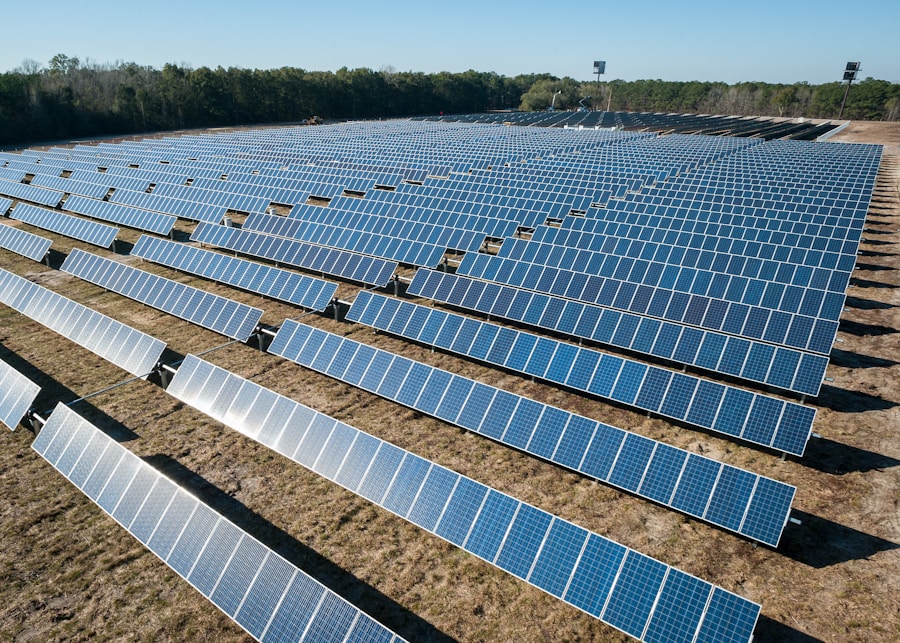
Solar panels are a popular form of renewable energy that harnesses the power of the sun to generate electricity. Solar panels are made up of photovoltaic cells that convert sunlight into electricity, which can be used to power your home or business. By installing solar panels on your property, you can reduce your reliance on traditional energy sources and lower your carbon footprint. In addition to providing clean, renewable energy, solar panels can also help you save money on your utility bills by generating electricity from a free and abundant resource.
In recent years, advancements in solar panel technology have made them more affordable and efficient than ever before. Many homeowners are now choosing to install solar panels on their roofs as a way to take control of their energy usage and reduce their environmental impact. In addition to providing financial benefits, solar panels also offer environmental benefits by reducing greenhouse gas emissions and decreasing reliance on fossil fuels. As the demand for renewable energy continues to grow, solar panels are becoming an increasingly popular choice for homeowners looking to embrace green technology and create a more sustainable future.
Energy-Efficient Lighting: Illuminating Your Home with Eco-Friendly Options
Energy-efficient lighting is an important aspect of creating a sustainable home environment. Traditional incandescent light bulbs consume a significant amount of energy and have a relatively short lifespan, making them an inefficient choice for lighting your home. In contrast, energy-efficient lighting options such as LED bulbs and compact fluorescent lamps (CFLs) use significantly less energy and last much longer than traditional incandescent bulbs. By replacing your old light bulbs with energy-efficient options, you can reduce your energy consumption and lower your utility bills.
In addition to using energy-efficient light bulbs, consider installing lighting controls such as dimmer switches and motion sensors to further reduce waste. These controls allow you to adjust the brightness of your lights based on your needs and automatically turn off lights when they are not in use. By using these technologies in combination with energy-efficient light bulbs, you can create a more sustainable lighting system for your home. Overall, energy-efficient lighting is an easy and effective way to reduce your energy usage and create a more eco-friendly living space.
Insulation and Weatherization: Keeping Your Home Comfortable and Efficient
Proper insulation and weatherization are essential components of creating an energy-efficient home. Insulation helps regulate the temperature inside your home by preventing heat from escaping in the winter and entering in the summer. By properly insulating your walls, floors, and attic, you can reduce the need for heating and cooling systems, ultimately lowering your energy consumption. Weatherization involves sealing air leaks in your home to prevent drafts and maintain a consistent indoor temperature. By addressing these areas of inefficiency, you can create a more comfortable living environment while reducing your energy usage.
When it comes to insulation, there are a variety of options to consider, including fiberglass, cellulose, foam board, and spray foam insulation. Each type of insulation has its own benefits and considerations, so it’s important to choose the right option for your home based on factors such as climate, budget, and existing construction. Weatherization measures may include sealing gaps around windows and doors, adding weather stripping, and insulating ductwork to prevent air leaks. By taking these steps to improve insulation and weatherization in your home, you can create a more comfortable living space while reducing your environmental impact.
Government Incentives and Rebates: Saving Money on Green Technology Investments
Many governments offer incentives and rebates to encourage homeowners to invest in green technology and make their homes more energy-efficient. These incentives may include tax credits, rebates, grants, or low-interest loans for purchasing energy-efficient appliances, installing solar panels, or making other green upgrades to your home. By taking advantage of these programs, you can offset some of the upfront costs associated with green technology investments while also reducing your long-term energy expenses.
In addition to government incentives, many utility companies offer rebates for purchasing energy-efficient appliances or making other improvements to your home that reduce energy consumption. These programs may include cash rebates or bill credits for upgrading to Energy Star-rated appliances or installing insulation or weatherization measures. By researching available incentives in your area, you can identify opportunities to save money on green technology investments while also contributing to a more sustainable environment.
In conclusion, green technology offers a wide range of opportunities for homeowners to reduce their environmental impact while also saving money on their utility bills. From energy-efficient appliances to solar panels to insulation and weatherization measures, there are many options available for creating a more sustainable living space. By taking advantage of government incentives and rebates, homeowners can offset some of the upfront costs associated with green technology investments while also contributing to a more sustainable future for our planet. Ultimately, embracing green technology is not only good for the environment but also good for your wallet in the long run.