
Uncategorized
The Future of Sustainable Energy: How to Make a Positive Impact
Aug
Sustainable energy is crucial for the future of our planet and the well-being of future generations. As the world’s population continues to grow, the demand for energy is increasing at an unprecedented rate. However, the current reliance on fossil fuels for energy production is not sustainable in the long term. Fossil fuels are finite resources and their extraction and use contribute to environmental degradation and climate change. Sustainable energy, on the other hand, refers to energy sources that are renewable, such as solar, wind, hydro, and geothermal power. These sources of energy are not only abundant but also have minimal impact on the environment. By transitioning to sustainable energy, we can reduce our carbon footprint and mitigate the effects of climate change.
Furthermore, sustainable energy is essential for energy security. As the world’s population grows and economies develop, the demand for energy will continue to rise. By investing in sustainable energy sources, countries can reduce their dependence on imported fossil fuels and ensure a stable and reliable energy supply. This is particularly important for developing countries, which often lack access to reliable energy sources. Sustainable energy can provide these countries with the opportunity to leapfrog traditional energy infrastructure and adopt modern, clean energy technologies.
Innovations in Sustainable Energy Technology
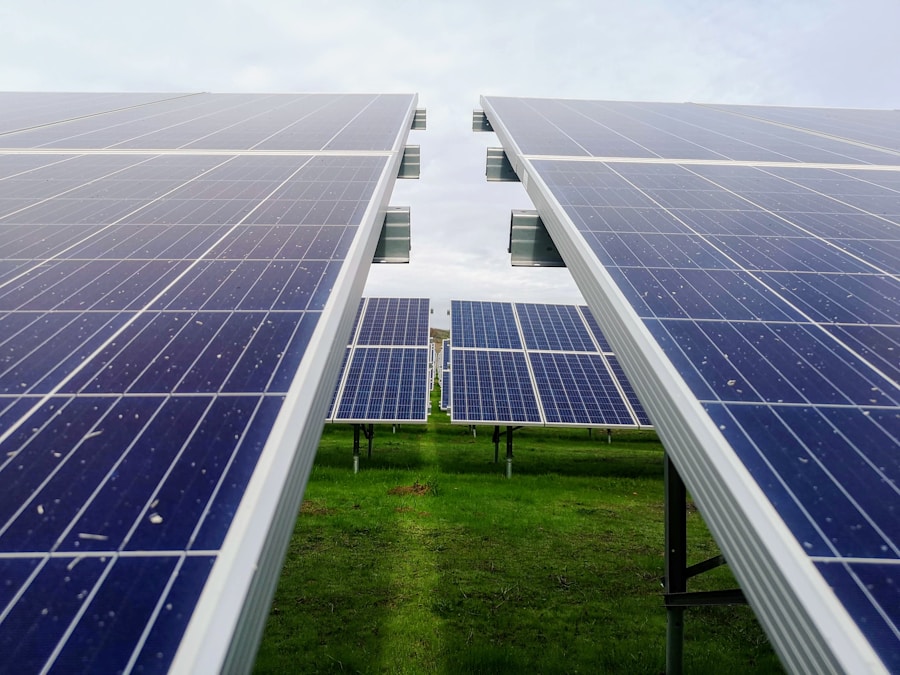
In recent years, there have been significant advancements in sustainable energy technology that have made it more accessible and affordable. One of the most notable innovations is in the field of solar energy. The cost of solar panels has decreased dramatically, making solar power a viable option for both residential and commercial use. Additionally, advancements in battery storage technology have made it possible to store excess solar energy for use during periods of low sunlight. This has made solar power a more reliable and consistent source of energy.
Another area of innovation is in wind energy technology. Wind turbines have become more efficient and cost-effective, making wind power a competitive alternative to traditional fossil fuels. In addition, advancements in offshore wind farms have expanded the potential for wind energy production, particularly in areas with limited land availability. Furthermore, research and development in bioenergy and geothermal energy have led to new methods for harnessing these renewable resources. These innovations in sustainable energy technology have made it possible for countries to transition away from fossil fuels and towards a more sustainable energy future.
The Role of Government and Policy in Promoting Sustainable Energy
Government policies play a crucial role in promoting sustainable energy and driving the transition away from fossil fuels. One of the most effective policies is the implementation of renewable energy targets and incentives. Many countries have set ambitious targets for renewable energy production, which has incentivized investment in sustainable energy infrastructure. In addition, financial incentives such as tax credits and subsidies have made it more financially viable for businesses and individuals to invest in sustainable energy technologies.
Furthermore, government regulations can also drive the adoption of sustainable energy. For example, emissions standards and carbon pricing can create a financial disincentive for the use of fossil fuels, while also encouraging investment in cleaner energy sources. Additionally, government support for research and development in sustainable energy technology can drive innovation and make these technologies more accessible and affordable.
The Benefits of Investing in Sustainable Energy
Investing in sustainable energy offers a wide range of benefits for both individuals and society as a whole. From an economic perspective, sustainable energy can create jobs and stimulate economic growth. The renewable energy sector has seen significant job growth in recent years, providing employment opportunities in manufacturing, installation, and maintenance of sustainable energy infrastructure. Additionally, investing in sustainable energy can reduce energy costs over the long term, as renewable energy sources are often cheaper than fossil fuels once the initial investment is recouped.
From an environmental perspective, investing in sustainable energy can help mitigate climate change and reduce air and water pollution. By transitioning away from fossil fuels, we can reduce greenhouse gas emissions and improve air quality, leading to better public health outcomes. Furthermore, investing in sustainable energy can help protect natural habitats and wildlife by reducing the environmental impact of energy production.
Steps Individuals Can Take to Support Sustainable Energy
While government policies and large-scale investments are crucial for promoting sustainable energy, individuals also play an important role in driving the transition towards renewable energy sources. One of the most impactful steps individuals can take is to invest in renewable energy technologies for their homes or businesses. Installing solar panels or wind turbines can not only reduce an individual’s carbon footprint but also save money on energy costs over time.
Additionally, individuals can support sustainable energy by advocating for policies that promote renewable energy production and reduce reliance on fossil fuels. This can include contacting elected officials to express support for renewable energy targets and incentives, as well as participating in community initiatives to promote clean energy adoption.
Furthermore, individuals can reduce their own energy consumption through simple lifestyle changes such as using energy-efficient appliances, reducing water usage, and utilizing public transportation or carpooling whenever possible. By making these small changes, individuals can contribute to a more sustainable energy future.
The Future of Sustainable Energy in Developing Countries
The future of sustainable energy in developing countries holds great promise for improving access to reliable and clean energy sources. Many developing countries are currently reliant on traditional biomass for cooking and heating, which can have detrimental effects on public health and the environment. By investing in sustainable energy technologies such as solar power and microgrids, developing countries can provide their citizens with access to modern and clean energy sources.
Furthermore, sustainable energy can drive economic development in developing countries by creating jobs and stimulating local economies. By investing in renewable energy infrastructure, developing countries can reduce their dependence on imported fossil fuels and improve their energy security. This can lead to greater economic stability and growth, as well as improved living standards for citizens.
However, there are also challenges to overcome in promoting sustainable energy in developing countries, such as limited access to financing and technical expertise. International cooperation and support will be crucial in overcoming these challenges and ensuring that developing countries have the resources they need to transition towards a more sustainable energy future.
Challenges and Opportunities in Achieving a Sustainable Energy Future
While there are many opportunities for achieving a sustainable energy future, there are also significant challenges that must be addressed. One of the main challenges is the existing infrastructure and investment in fossil fuel-based energy production. Transitioning away from these established systems will require significant investment and planning to ensure a smooth transition.
Additionally, there are technical challenges associated with integrating renewable energy sources into existing grids and infrastructure. Renewable energy sources such as solar and wind power are intermittent by nature, which can create challenges for grid stability and reliability. However, advancements in battery storage technology and smart grid systems offer opportunities to overcome these challenges and create a more resilient and flexible energy system.
Furthermore, there are social and political challenges associated with promoting sustainable energy. Resistance from vested interests in the fossil fuel industry can create barriers to policy change and investment in renewable energy. Additionally, there may be social equity considerations to address, particularly in ensuring that all communities have access to clean and affordable energy sources.
In conclusion, achieving a sustainable energy future is essential for addressing climate change, improving public health, and driving economic development. By investing in sustainable energy technologies, supporting government policies that promote renewable energy production, and making individual lifestyle changes to support clean energy adoption, we can work towards a more sustainable future for all. While there are challenges to overcome, there are also significant opportunities for innovation and progress in achieving a more sustainable energy future.